



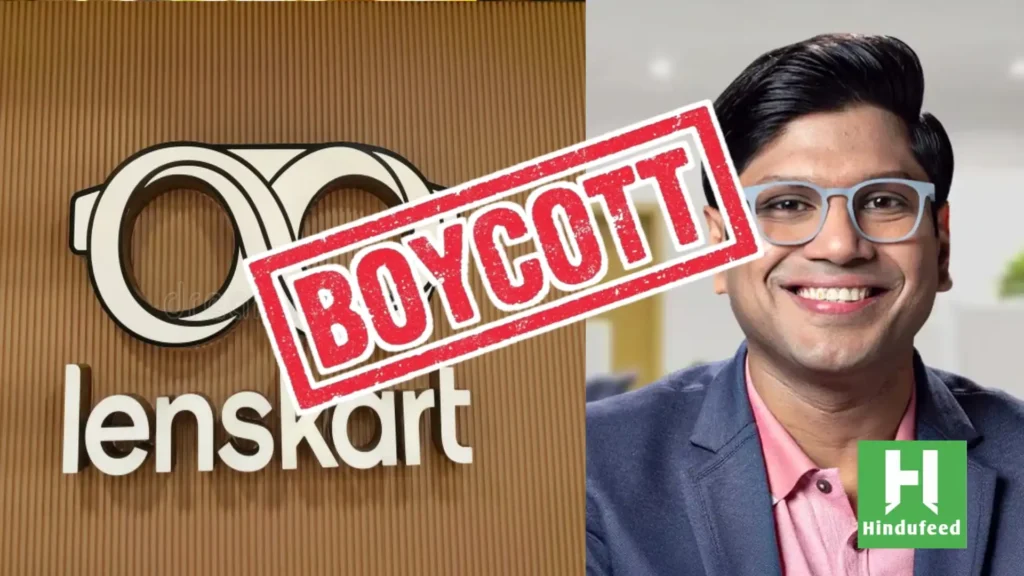
In the era of social media and glam, public opinion is no longer be a slow network it erupts rapidly. One of the closest examples of this shift in India is the rise of “Boycott Trends “. From OTT to films and from brands to public figures, calls for Boycotts regularly dominates online conversations, often gaining pull within hours. Yet just quickly as they rise , many of these trends disappear.
So what explains their rapid spread?
A very major factor is the massive spread at which information travels online. Platforms like Twitter, Instagram and YouTube allow content to touch millions within minutes. A short clip, an old statement, or even an unverified claim has ability to trigger and leave a strong impact. In a country like India, where culture, religious, and political identities are deeply felt , such triggers often lead to immediate impulsive responses.
Hashtags play a crucial role in this process. A phrase like ” Boycott xyz” is simple and easy to replicate. It gives users a quick way to express disapproval and join a larger conversation. As more people use the same hashtag, algorithms push the trend to a wider audience, creating a sense of momentum. What starts as a small reaction in a small group of people can be the talk of the town in no time and can appear as a nationwide sentiment.
Another reason behind the spread is the influence of digital communities and online personalities. When influencers or popular accounts amplify a Boycott call, it reaches a much larger audience leaving an impact. Followers often trust these voices, which increases participation even when the full context of the issue is missing. In many cases, the original concern becomes oversimplified as it spreads, reducing complex situations to a single narrative.
- Beyond the 9 to 5 job: The Rise of Alternative Careers Among Indian Youth
- Entrance exam pressure: Is India’s education system too competitive?
- Can AI replace English Language Skills?
There is also a strong element of group identity. “Boycott Trends ” are not only about opposing something they are about showing alignment. Sharing a hashtag or posting a message allows individuals to publicly signal their values and beliefs. This sense of belonging encourages more users to participate, even if their personal connection to the issue is limited.
However, while these trends spread quickly, their impact is often short-lived . One reason is the fast moving nature of social media itself. New topics, controversies , and viral moments constantly compete for attention. As a result , public focus shifts rapidly. What feels urgent today may be forgotten within days.
Another important factor is the gap between online expression and real-world behavior. While many users may engage with boycott trends online, fewer translate that engagement into sustained action. Films facing boycott calls often continue to perform at the box office, and brands still maintain their customer base. This suggests that online outrage does not always lead to measurable consequences.
Repeated exposure to similar trends can also reduce their effectiveness. When boycott calls become frequent, audiences may begin to see them as routine rather than urgent. This leads to lower engagement over time. In addition, the spread of misinformation in some cases weakens credibility. When users discover that a claim is exaggerated or false, trust declines, making future campaigns less impactful.
At a broader level, the rise of boycott trends highlights how digital platforms are reshaping public discourse in India. Social media has made it easier for individuals to express opinions and influence conversations. At the same time, it has encouraged faster, more emotional reactions that may not always be sustained.
In conclusion, boycott trends go viral in India because they tap into emotion , identity, and the speed of digital platforms. They offer a quick and visible way for people to participate in public debates. However, their short lifespan shows that while attention is easy to capture, it is difficult to maintain.Most boycott trends ultimately reflect a moment of collective expression rather than long-term change.
Ultimately, the future of such trends depends on how users choose to engage with them. While social media provides a powerful platform for raising awareness, it also demands a sense of responsibility. Taking time to verify information, understanding different perspectives, and engaging in constructive discussion can make these conversations more meaningful. If used thoughtfully, online movements can move beyond temporary outrage and contribute to real change.
