












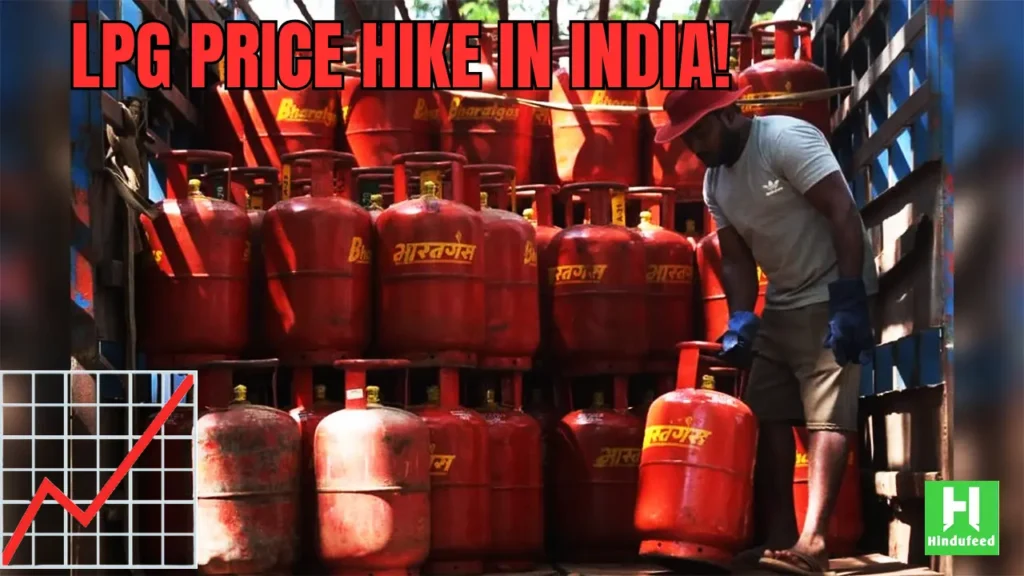
As the geopolitical landscape in West Asia shifts into a full-scale conflict, the ripples are being felt in kitchens across India. With the Strait of Hormuz—the world’s most critical energy chokepoint—facing unprecedented disruptions, India is grappling with a sudden tightening of Liquefied Petroleum Gas (LPG) supplies.
On March 10, 2026, the Indian government moved to stabilize the situation, but for millions of households and small businesses, the “blue flame” has become a source of growing economic anxiety.
I. The Strait of Hormuz: India’s Energy Achilles’ Heel
The current shortage is not a failure of domestic logistics, but a direct consequence of India’s heavy import dependency.
- The Dependency Ratio: India is the world’s second-largest importer of LPG, consuming roughly 33.15 million tonnes annually.
- The Chokepoint: Approximately 85–90% of these imports originate from the Middle East and must pass through the Strait of Hormuz.
- The Disruption: With naval tensions rising and insurance premiums for tankers skyrocketing, shipments from major suppliers like Qatar and Saudi Arabia have seen significant delays since the start of March.
II. Emergency Measures: The Essential Commodities Act Invoked
Recognizing the potential for a national crisis, the Ministry of Petroleum and Natural Gas invoked emergency powers under the Essential Commodities Act (1955) on March 5, 2026. This move allows the government to dictate production and distribution with legal authority.
The “Refinery First” Mandate
The government has ordered all major refiners—including IOC, BPCL, HPCL, and Reliance Industries—to maximize LPG recovery. Refiners are now barred from diverting propane and butane streams toward lucrative petrochemical products like polypropylene. Instead, these gases must be processed into cooking fuel and supplied exclusively to state-run oil marketing companies.
As of March 10, government sources report a 10% increase in daily domestic LPG production due to these emergency shifts.
III. The Household vs. Commercial Divide
To manage the limited inventory, a strict prioritization hierarchy has been implemented:
- Domestic Households: Protected as the top priority. To prevent panic-buying, the minimum inter-booking period has been extended from 21 days to 25 days.
- Essential Services: Hospitals and educational institutions are receiving prioritized allotments from imported stocks.
- The Hospitality Sector: Restaurants and hotels have borne the brunt of the crisis. In cities like Mumbai and Bengaluru, the shortage of 19-kg commercial cylinders has forced some eateries to consider firewood or electric cooking alternatives. A committee of three Executive Directors from Oil Marketing Companies has been formed to review these industrial supply requests.
IV. The Cost of Conflict: Price Hikes and Economic Impact
The supply crunch has translated into immediate price shocks at the consumer level. On March 7, 2026, prices were revised across all metros:
| City | Domestic LPG (14.2kg) | Commercial LPG (19kg) |
| Delhi | ₹913.00 (Up ₹60) | ₹1,883.00 (Up ₹114.5) |
| Mumbai | ₹912.50 | ₹1,835.00 |
| Kolkata | ₹939.00 | ₹1,990.00 |
| Chennai | ₹928.50 | ₹2,043.50 |
Beyond the kitchen, the shortage is hitting India’s agricultural sector. Fertilizer giants like GNFC have reported a 40% cut in gas allocation, which could impact urea production right as farmers prepare for the summer crop cycle.
V. Frequently Asked Questions (FAQs)
1. Is there a complete ban on commercial LPG supplies?
No, but there is severe rationing. Supplies are being redirected to households first. A dedicated committee is currently reviewing applications from hotels and industries to manage the remaining stock.
2. Why did the government increase the booking gap to 25 days?
This is a preventive measure to stop “hoarding.” By ensuring a 25-day gap between refills, the government aims to prevent households from over-stocking, ensuring that available cylinders reach everyone equitably.
3. Does India have strategic reserves for LPG?
While India has significant Strategic Petroleum Reserves (SPR) for crude oil (enough for roughly 50 days of total supply), LPG storage is more limited. India currently has the capacity to store about 1 million tonnes of LPG, which covers roughly 10 days of national demand.
Conclusion
While the government maintains that India is in a “comfortable position” with 50 days of fuel stock (crude and products combined), the longevity of this crisis depends entirely on the de-escalation of the Middle East conflict. For now, Indian consumers must brace for a period of strict energy management and higher costs.


