











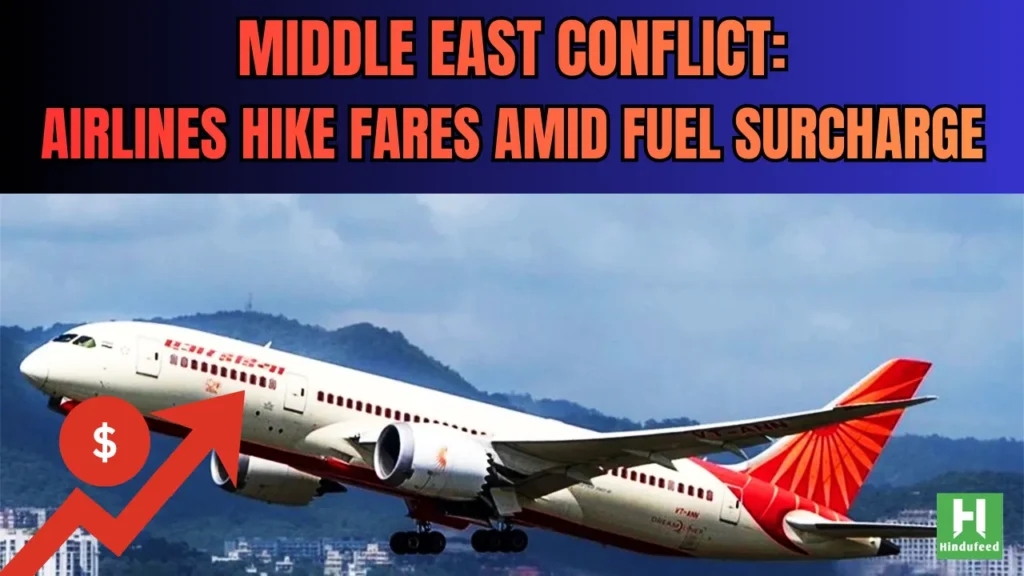
The aviation industry is still trying to get on its feet after the pandemic. Now it has been hit with another problem. The conflict in the Middle East is making it hard for airlines to get the fuel they need. This is causing fuel prices to go up. For people who like to travel this means that flying is going to be more expensive. Airlines have no choice but to charge extra for fuel.
On March 12 2026 big airlines in Asia and Europe said they would be raising their ticket prices. This is going to make it a tough summer for people who like to travel.
I. The Jet Fuel Problem: From War Zone to Wing Tank
People usually talk about the price of oil.. For airlines the important thing is the cost of turning crude oil into jet fuel. This is called the “Crack Spread”. It is the thing that really hurts airlines.
The Price of Oil is Going Up
This week the price of Brent Crude oil went over $135 per barrel. This is the time it has happened in a long time. The price of jet fuel is going up even faster. It is 30% more expensive than crude oil. This is because it is hard to get oil from the Middle East. It costs more to insure the tankers that carry the oil.
For airlines like Air India or IndiGo fuel is a part of their costs. It is usually around 35% to 45% of what they spend. When fuel prices go up by 20% in one week it can make it hard for airlines to make a profit.
II. Airlines are Responding: Adding Extra Fees
To deal with the high fuel prices airlines are adding fees to ticket prices. They are doing this of just raising the ticket price. This way they can change the price of the fee every week if fuel prices go up or down.
In India airlines are adding a fuel surcharge of ₹400 to ₹1,100 per flight. This means that a round-trip flight from Delhi to Mumbai could cost least ₹2,000 more than it did in February.
For flights the extra fee is even higher. Airlines like Lufthansa and Air France-KLM are adding up to €120 to the price of a ticket. This is because they have to fly around the Middle East to avoid the conflict.
The “War Risk” Route: Many flights between Europe and Southeast Asia are taking a route to avoid the conflict. This adds 90 to 120 minutes to the flight time. It also means that the plane has to carry fuel, which makes the flight even more expensive.
III. Why Airlines Can’t Just Absorb the Cost
Airlines can’t just absorb the cost of the fuel. If they have to take a route they have to carry more fuel. But fuel is heavy so the plane has to burn fuel to carry the extra weight. This makes the flight more expensive. If the flight is 10% longer it can use 15% to 18% fuel.
IV. How This Affects Indian Travelers and the Summer Season
The summer vacation season is coming up in India. The timing of the fuel price hike is bad for travelers.
Travel agencies in Delhi and Mumbai say that bookings for flights are down by 15%. People are choosing to travel within India of going abroad.
Some Indian companies are telling their employees to have meetings instead of traveling. This is because the cost of flying is getting too expensive.
The “Air Freight” Problem: It’s not just passengers who are affected. A lot of cargo is carried on passenger planes. When the cost of flying goes up it also affects the cost of importing goods into India.
V. Fuel Price vs. Ticket Price (2026)
Here is a table that shows how fuel prices and ticket prices have changed:
| Month | Avg. Jet Fuel Price (Per KL) | Avg. Domestic Fare (DEL-BOM) | Fuel Surcharge Applied |
| Jan 2026 | ₹1,05,000 | ₹5,200 | Nil |
| Feb 2026 | ₹1,18,000 | ₹5,900 | ₹300 |
| Mar 2026 (Now) | ₹1,42,000 | ₹7,400 | ₹850 |
VI. Frequently Asked Questions (FAQ)
1. Will airline ticket prices go down if the war ends?
Historically, fuel surcharges are “sticky.” While they are introduced quickly during a crisis, airlines often wait several months after fuel prices stabilize before removing them, as they need to recoup the massive losses sustained during the peak of the volatility.
2. Should I book my summer tickets now or wait?
Most analysts suggest booking now. With the conflict showing no immediate signs of de-escalation and the summer peak demand approaching, prices are more likely to rise further rather than drop.
3. Can I avoid fuel surcharges by using “Miles” or “Reward Points”?
Usually, no. Most airline loyalty programs require you to pay the “Taxes and Surcharges” in cash, even if the “Base Fare” is covered by miles. In the current market, the surcharge can sometimes be more expensive than the original base fare itself.
VII. The Future: Alternatives?
This crisis is making people think about using Sustainable Aviation Fuel (SAF). It is a type of fuel that is made in India and is not affected by the Middle East conflict. It is still very expensive and not widely available.
Final Verdict
The days of air travel are over, for now. The Indian aviation industry is facing a challenge. Passengers have to be prepared for prices.
Are you still planning to travel this summer despite the price hike?. Have you changed your plans? Let us know.


