



At a crowded cafe in Delhi, nearly every table is occupied . Friends sit together, couples share meals, office workers sip coffee between meetings. Yet most heads remain bent toward glowing phone screens. Conversations stop every few minutes because someone’s phone vibrates. Near the counter, a spoon keeps clinking loudly against a glass while two people silently scroll beside each other.
Nobody even seems to notice how strange that has become.
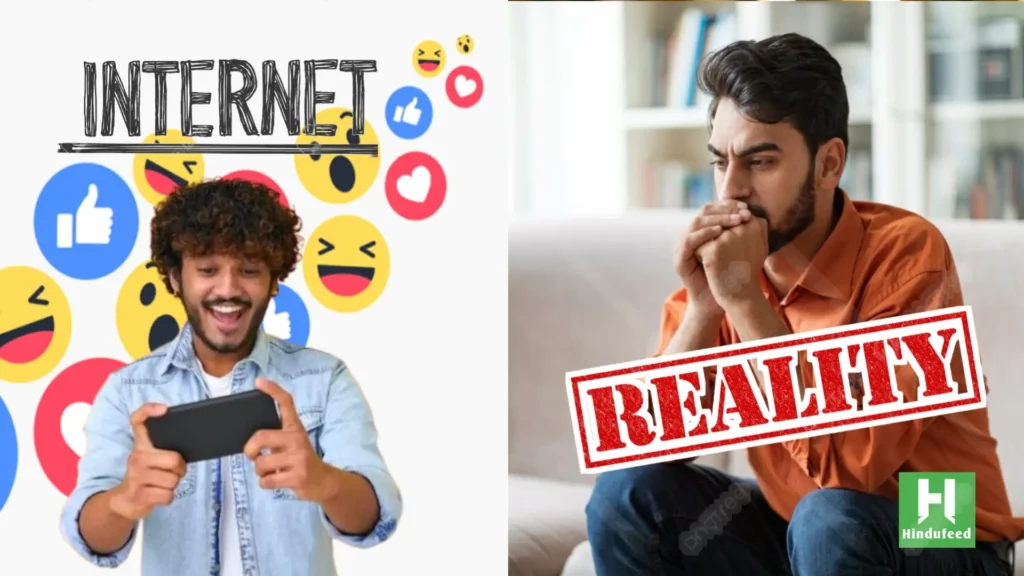
People today are more connected than at any point in history. A message crosses continents in seconds. Video calls erase distance. Online communities exist for almost every emotion, hobby, fear, or identity imaginable. Yet Loneliness has quietly become one of the defining feelings of modern life.
And not the dramatic kind of Loneliness either. The quieter version. The kind where people are constantly surrounded by notifications but still feel emotionally invisible.
Why So Many People Feel Disconnected
Loneliness no longer looks the way people once imagined it. It is not always an elderly person sitting alone in a room. Increasingly, it belongs to young adults, students and working professionals who spend most of their lives online.
Gen Z is considered one of the most digitally connected generations ever, yet surveys across several countries continue to show rising levels of anxiety, isolation, and emotional exhaustion among young people.
Part of the problem is simple, interaction is not the same thing as closeness.
Someone may exchange hundreds of messages daily and still have nobody they feel comfortable calling during a breakdown . A late night walk with a friend still feels different from a hundred online messages. Real connection grows slowly through shared silence, awkward conversations, eye contact, and trust build over time.
Screens are fast; Human closeness are usually not
The Internet Became an Emotional Escape Still, digital communities are not fake or meaningless. For many people, they are deeply real.
During the COVID-19 lockdowns, online spaces became emotional lifelines. Families celebrated Birthday’s through video calls. College students attended classes from cramped bedrooms. Gaming communities replaced weekend outings. Instagram support pages and Discord groups became spaces where young people openly discussed anxiety, loneliness and burnout.
For some , these communities genuinely prevented isolation from becoming unbearable.
Take students preparing for competitive exams in Kota. Many spend months away from home under constant academic pressure. Through Reddit forums, Telegram groups , and study communities, students often find emotional support from strangers facing the exact same stress. Sometimes people open up more honesty online because they know others already understand what they are going through .
Digital spaces have also helped marginalized communities feel less alone. LGBTQ+ individuals living in conservative households, people struggling with disabilities, or those dealing with mental health challenges often find acceptance online before they find it anywhere else .
When Online Connection Starts Feeling Hollow
But social media also creates its own emotional damage. Most platforms are designed around visibility, Likes, comments, follower counts, and constant updates quietly shape how people see themselves. Over time, users begin comparing ordinary lives to carefully edited versions of everyone else’s reality.
A teenager scrolling through luxury vacations, perfect relationships, and celebration Posts may slowly start believing everyone else is Happier and most successful. The Loneliness becomes heavier because it feels personal, almost embarrassing.
Then comes the endless scrolling. Many users having a single meaningful conversation. It creates stimulation, not closeness. People leave social media feeling distracted, emotionally drained, and oddly empty afterward. Sometimes friends meet after months and spend half the time silently checking notifications beside each other. Nobody says anything because it has become normal.
Are Relationships Becoming Thinner?
Friendships themselves are changing shape. Many young people now communicate mostly through memes, streaks, reels and quick reactions instead of actual conversations. Communication stays active, but emotional death weakens quietly in the background. Someone may know every story another person uploads while having no idea they are struggling mentally.
Modern life has already pushed people toward isolation. Cities become busier. Families started living farther apart. Work consumed more time . Public spaces where people casually interacted began disappearing.
The Kind Of Connection People Are Really Searching For
Technology itself is not the enemy. Most people are not online because they are shallow or addicted to attention. They are there because, underneath everything else, they want Connection.
They want someone to respond. Someone to understand. Someone to notice their absence. This is why people continue returning to digital spaces despite knowing their limitations. Online communities can absolutely provide comfort, support and belonging. In some cases, they even save lives.
But meaningful human connection still happens differently offline. It exists in long conversations that drift aimlessly, in shared meals, in uncomfortable honesty, in moments where somebody notices something is wrong before words are even spoken.
The Loneliness Epidemic is not really about technology alone. It reflects a deeper problem in modern society, people have never been more visible to one another, yet many still feel unseen.
And maybe that is the strangest part of modern life, in a world where everyone can reach each other instantly, genuine closeness has started to feel rare.
