












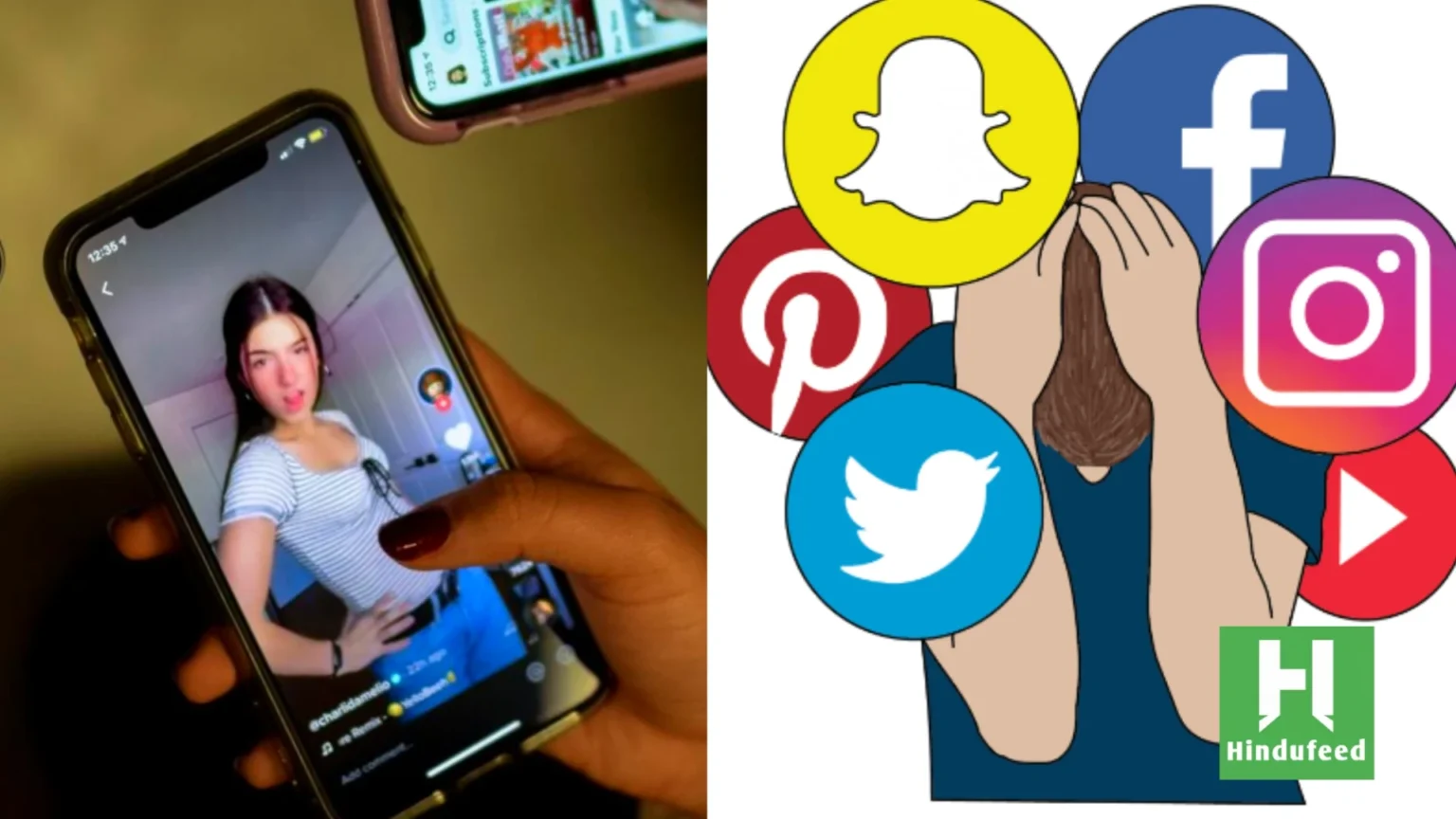
In today’s digital world where social media is leading our life but also our day to day lives. From morning to mid-night scrolling reels and browsing from switching one app to another, we are constantly getting exposed to snapshots of other people’s lives. These snapshots are highly edited by photobooths and filters appearing as flawless skin to beautiful vacations, happy relationships and career achievements. Just by one glance at it , it makes us question ourselves that why I’m not living the life others are living and why I’m living a hustling life and others are putting in no effort and living a great luxurious life . However, this perception is far from reality. What we see on social media is not the real story and its often a fictional world.
The Illusion of Highlight Reels
One of the major reasons social media feels so convincing is because people naturally share their best and happening moments. No one usually shows post’s about one’s failures, struggles, breakdowns, insecurities or even day to day struggles. Instead, people choose to highlight moments when they are in their best stage of life, feeling on top of the clouds, or achieve something significant. Overtime, these highlights create an illusion of a perfect life. A single photo of a smiling face hides all the stress, sadness and challenges that exist in life.
Filters and Editing Reality
The use of filters and editing tools enhances this illusion. Images are balanced through heavy lighting, altering the real skintone to enhancing it bright white, using heavy makeup and creating more aesthetic pinterest looks. What appears natural is often edited multiple times before being posted. As a Result, viewers are getting stressed by reality or forgetting their reality and comparing themselves with the alternate version of it.This makes ordinary life feel inadequate in comparison.
The Trap of Social Comparison
The Most important factor is the psychology of comparison. Humans naturally have a tendency to compare themselves with others to understand where they stand. Social media expands this tendency by exposing users to a large number of people at once. Instead of comparing ourselves with our friends and surroundings we are now comparing ourselves with the standards and criteria that has been set by social media and influencers. This is creating unrealistic expectations, making it easy to feel like we are falling behind. We are running a race for our living.
This comparison is unfair because we measure our everyday struggles and breakdowns against someone else’s best moments and achievements. For example, a student dealing with academic pressure may feel discouraged after seeing peers post about success, without knowing the efforts or difficulties behind it. This constant comparison can slowly affect mental health, leading to feelings of insecurity, anxiety , self-consciousness and low self esteem.
The pressure to Appear Perfect
Social media also silently sets so called beauty standards and a criteria to get judged on and to get measured on a rating scale. People have started thinking that they must always appear happy with a glass like brightening skin, with achieving all success and confident all the time. This pressure of getting to fit in with beauty standards and criteria and getting judged for their body shape, size, height, or weight leads to overthinking, waiting for a validation through likes, feeling self-conscious, and having low confidence. Over time, self-worth may become tied to online approval rather than personal satisfaction and happiness.
Building a Healthier Perspective
Despite facing these challenges , social media is not entirely negative. It can be a powerful ground for connectivity, creativity, learning, spreading positive messages and information and a great way of being united. It will only be useful if used mindfully. The key is to develop awareness and understanding that social media shows only a part of reality can help reduce it’s negative impact. Limiting screen time and taking breaks can also improve emotional well-being and mental wellness.
Promoting authenticity is equally very important to create balance . When people shares authentic experiences , like struggles, breakdowns and imperfections, it creates a balanced and relatable environment. This helps others feel less lonely and reduces the pressure to appear perfect.
The reality behind “perfect lives” on social media is far more complex than it appears. What we notice online is a polished version of reality, shaped by personal choices, for show-off, getting recognition by the help of digital influence. This can inspire and entertain, while it can also create unrealistic expectations and it gets stored in our minds unconsciously. By staying aware of our ground reality and being grounded, we can use social media in a healthier way without losing sight of what truly matters: balance, self love , self satisfaction, self acceptance, authenticity.


