



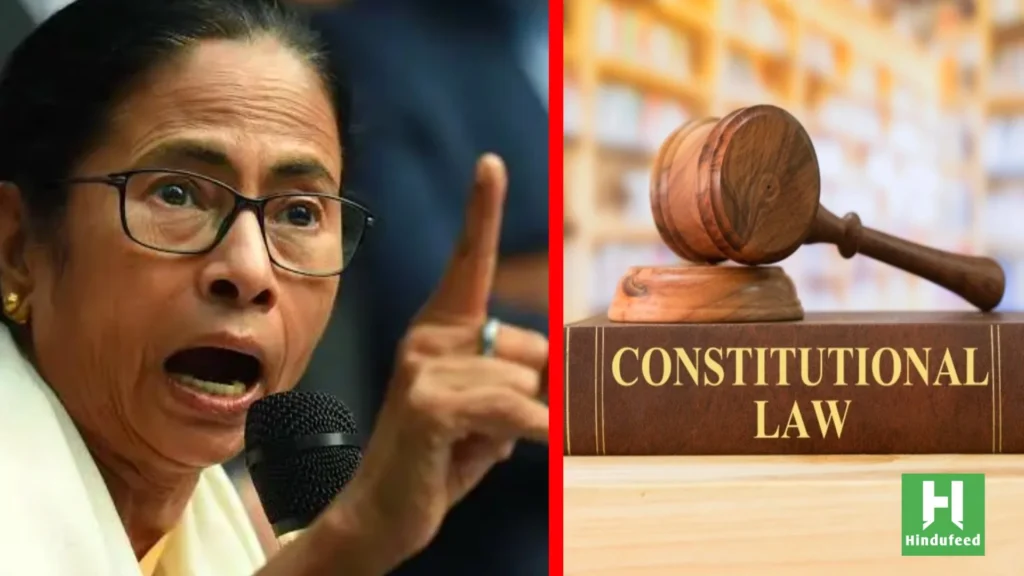
In the rise of 2026, West Bengal Assembly elections, a significant political statement, gave birth. Chief Minister Mamta Banerjee, in spite of her party’s defeat and her own loss in the Bhabanipur seat, she has publicly refused to resign. Despite the BJP securing a commanding 207 seats and the Trinamool Congress (TMC) being reduced to just 80 , The CM refusal to stepdown creates a critical situation which has given rise to constitutional questions: Can a Chief Minister stay in power after losing their majority? What do the rules say When a leader refuses to leave the chair?
The Clock is Ticking: May 7 Deadline
A glance to the pillar of the Indian Constitution. We have to look past the political noise to find the answers. The most important date isn’t the oath taking ceremony, it’s May 7, 2026.
This day is the term of the current 17th West Bengal Legislative Assembly officially expires . In the Indian constitution, a Chief Minister is not a monarch; they are the leader of a specific House. As that House ( the Assembly) reaches its five years expiration date, it has to cease to exist .
If Mamata Banerjee refuses to resign by the evening of May 7, then she is just delaying the calendar. By May 7, Midnight her legal authority becomes powerless. She would no longer be known as Chief Minister refusing to resign, she would be a private citizen who is occupying and creating trouble to a public office.
Article 164 The Governor’s “Pleasure”
The Constitution of India is crystal clear about where the power comes from. Article 164(2) states that the CM is “Collectively responsible for the Legislative Assembly “
The CM is technically appointed by the Governor and holds office during the “Pleasure of the Governor” ( Article 164(1)), this ” pleasure”isn’t a personal whim it is a legal term. As the results are officially released by the Elective Commission, the Governor is constitutionally bound to recognize the part with a majority.
What Happens Next?
If they still stand still and refuse to step down, the machinery of the State will move in three different phases:
1 . The Notification: Issue will be raised by the Election commission “Due Constitution” notification.
2. The Withdrawal Of Pleasure: Formal invitation by Governor will be issued to (BJP) to form the government. And yet the resignation hasn’t done then , the Governer will issue an order of “withdrawal pleasure” and dismiss the current cabinet.
3. The Oath Ceremony: On May 9, Rabindra Jayanti, the new government is scheduled to take the oath.
A Failure Of Machinery
If CM refused to leave and created a situation where a new government cannot function, the Governor can report a ” failure of constitutional machinery ” under Article 356. This will lead to a brief period of President’s Rule, eventually clearing the desk for the new majority party to take over. Ultimately , when the numbers go , the power goes with them too .
