












For years, cricket in India arrived with a schedule. The toss at 7 PM. The chase under floodlights. The post match presentation before everyone finally went to sleep. Families planned dinners around matches and entire neighborhoods suddenly became quieter during tense run chases. That version of cricket still exists, but only partially.
In 2026, cricket no longer waits for match day. The sport now behaves like an endless digital stream, always refreshing, always circulating, always demanding attention. Even when there is no live game, there are injury updates, podcast debates, dressing room clips, fantasy league predictions, meme pages, reaction videos, and algorithm fed highlights flooding people’s phones every hour.
The modern Indian cricket fan does not really switch off anymore. And honestly, that is probably exactly how the industry wants it.
The Match Is No Longer the Main Event
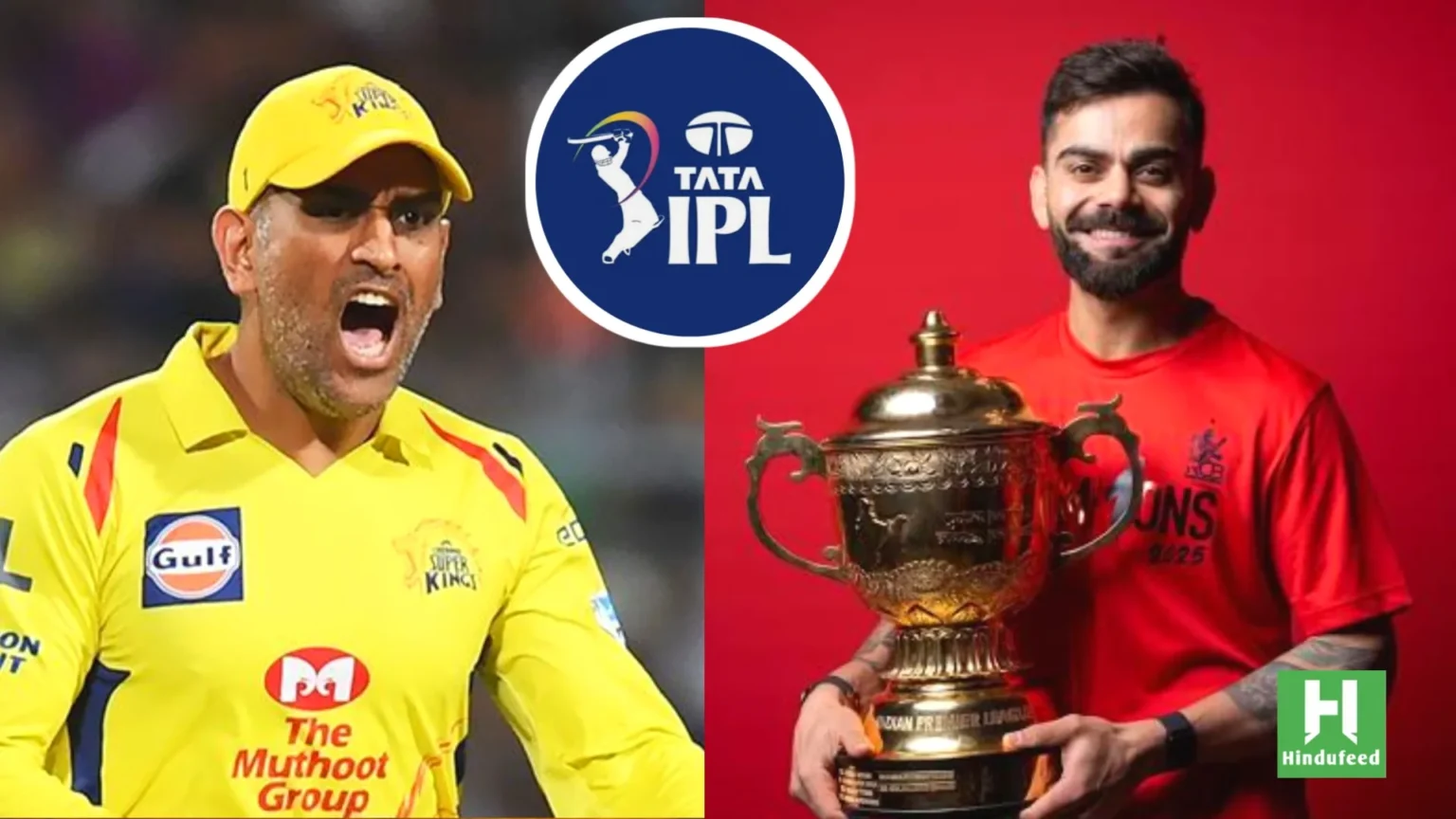
The ongoing Indian Premier League 2026 Shows how massive this ecosystem has become. According to CricTracker, recent figures show that the tournament’s cumulative reach across television and digital platforms has crossed 1.06 billion viewers, while the average match reach has climbed to 277 million.
In many Indian homes, the television broadcast runs in the background while viewer’s scroll through Instagram reactions, argue in WhatsApp groups, or track fantasy league points between overs. Teenagers often see wicket clips on social media before the actual dismissal appears on television. By the time a match finishes, the internet has already converted it into memes, controversies, tactical threads, and hot takes. Somewhere along the way, cricket became a second screen habit.
The Business Of Keeping Fans Permanently Online
The shift has created a huge business around attention itself. Connected TV, or CTV, has emerged as one of the biggest winners this season, with smart TV sports viewership growing rapidly compared to previous years. Advertisers are increasingly chasing audiences watching through apps and streaming platforms rather than traditional cable television ( Indian Television).
The game never really gets time to breathe anymore. And the strange part is that even people exhausted by this cycle still participate in it . People complain about cricket becoming nonstop content while simultaneously refreshing reaction videos before going to sleep. I probably do it too.
Cricketers Are No Longer Just Athletes
Modern cricketers are expected to exist everywhere at once. Their performances still matter, of course, but so do their interviews, airport looks, gym videos, Instagram stories, podcasts, and brand partnerships. A player’s online presence now carries commercial value almost equal to on field visibility.
That sounds absurd until you look at the money involved. India’s sports economy has crossed the $ 2 billion mark, with cricket contributing nearly 89% of total sports revenue. The media standing alone has crossed ₹9,000 crore. ( The Times of India)
The lines between sports , environment, influencer culture, and advertising are becoming harder to separate with every season. Some younger fans now know cricketers more through reels and podcasts than through reels and podcasts than through full matches. That would have sounded ridiculous a decade ago. Now it feels normal.
Women’s Cricket Is Finally Entering the Mainstream
At the same time, women’s cricket is entering a very different commercial era.
Following India’s recent success in women’s international tournaments, the Women’s Premier League has seen advertising budgets rise sharply, with reports suggesting growth between 30% and 50% this year. ( BestMediaInfo)
For year’s, women’s cricket in India survived on admiration without receiving the same financial confidence as the men’s game. Now brands suddenly want visibility there too partly because audiences are growing, but also because companies have realised they ignored a commercially valuable fanbase for too long.
A Sport That Never Really Ends
And yet , despite all the commercialization, cricket still carries emotional weight in India that few other things can replicate.
You still see strangers checking scorecards together during the Mumbai evening commute. Apartment buildings still pretend not to care while secretly refreshing scores during dinner conversations.
Even people trying to avoid cricket during the IPL season somehow end up hearing about it before lunch.
The difference now is that cricket no longer disappears after the final over
It follows people into their notifications, recommendations, arguments, reels , podcasts and sleep schedules. India has slowly transformed cricket from a scheduled sporting event into something closer to a permanent digital environment, one that runs 24 hours a day whether fans consciously choose it or not.
And at this point, there may not be any real way back.


