












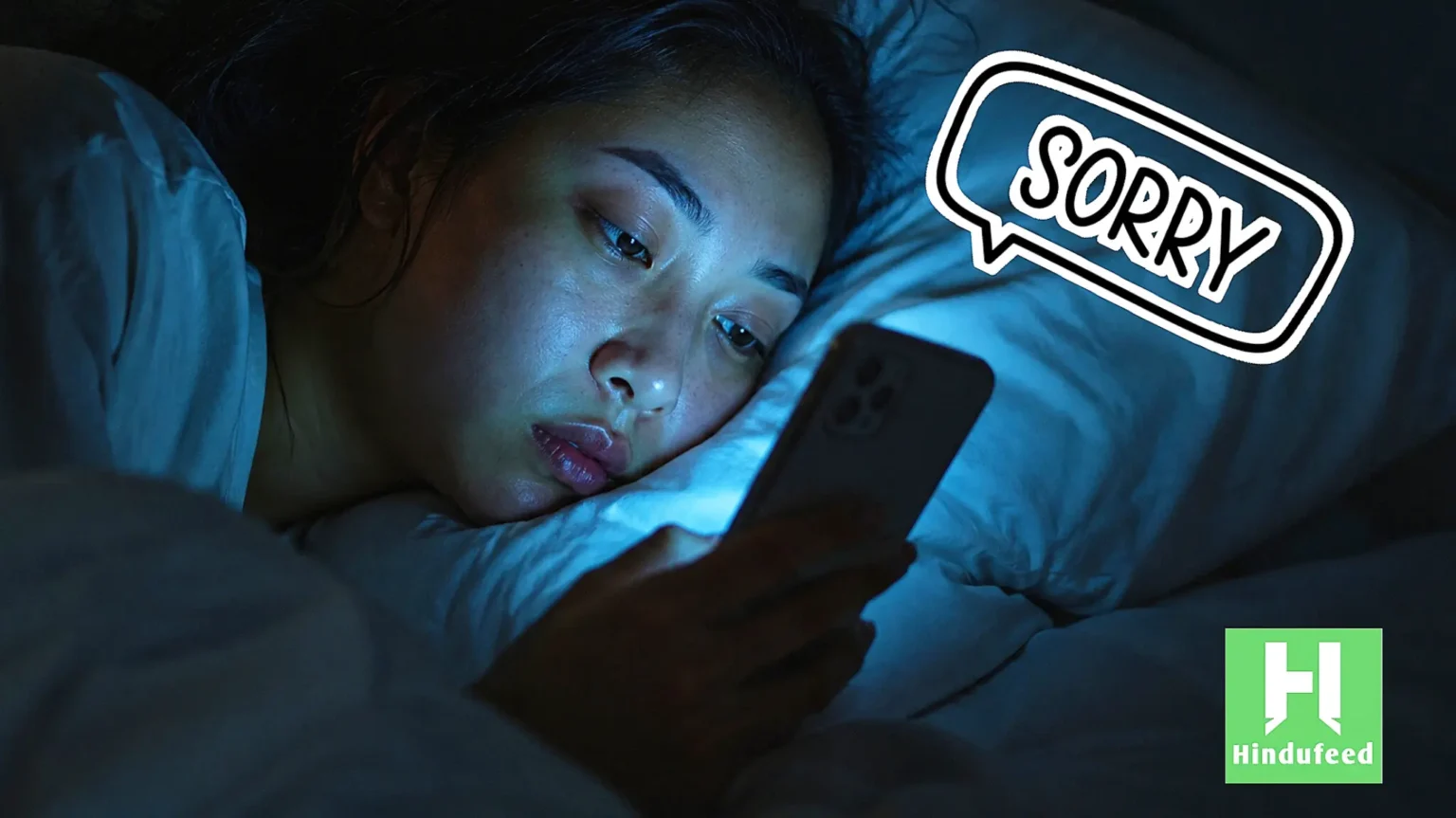
Late at night, a phone screen lights up in a dark room.
The message itself is unimportant. A friend sending a reel. A class group notification. A late night” Hey, are you awake? “text that probably could have waited until morning.
But the person holding the phone suddenly feels awake again.
They read the message. Don’t reply immediately. Lock the screen. Unlock it again thirty seconds later. Start thinking about whether not responding will seem rude, distant or intentional.
This is how online life works now. Conversations no longer really end. They simply pause for a few minutes before starting again somewhere else.
And that constant sense of availability is quietly exhausting people.
Being Reachable Has Become The Default
There was a time when disappearing for a few hours was completely normal.
People attending classes, traveled, ate dinner with family, or slept without anybody expecting instant responses. Even boredom existed properly. Waiting rooms were silent, train journeys involved staring outside the window instead of switching endlessly between apps.
Now the silence feels unusual. If someone takes too long to reply, others notice quickly. Some people even apologise for responding late when the message arrived only twenty minutes earlier. That says a lot about how communication has changed.
- From Kota to Adulthood: Why Emotional Intelligence May Matter More Than Your 10th School Mark Sheet
- Why Young Adults Feel Exhausted All the Time In Modern Life
The internet did not simply make conversations faster. It changed the emotional expectations around attention itself. Being available online now feels less like a choice and more like a social responsibility. And most people do not realise how mentally draining that becomes over time.
Tiny Notifications Carry Emotional Weight
One strange thing about digital life is how emotionally powerful very small interactions have become.
A seen message, a delayed reply, someone active online but not answering, a typing indicator that suddenly disappears. None of these are major events. Yet people constantly attach meaning to them.
Friendships, relationships, and even workplace communication now involve silent interpretation happening beneath ordinary conversations: why are they ignoring me? Did I say something wrong? Why did their tone suddenly feel different?
Human beings were never really prepared for this level of micro analysis. Earlier generations experienced social anxiety too, but not inside devices that updated emotional signals every few seconds.
People are expected to react to stories, maintain streaks, respond to memes, update followers, share opinions, and remain socially present almost continuously. Even disappearing quietly from social media for a week now people ask questions. Since you have been inactive lately, everything is okay?
It sounds harmless, but it reveals something deeper, permanent visibility has become normal.
Now people carry miniature social worlds inside their pockets all day long.
Work No Longer Ends Properly
The pressure becomes even heavier professionally.
In Metropolitan Cities, where work culture often overlaps with startup hustle culture, many young professionals remain mentally connected to work long after office hours end. Slack notifications arrive during dinner. Emails appear late at night. Weekend messages begin with “Sorry for texting on Sunday, but..”
Eventually, work stops feeling like a place people go to. It becomes a background presence following them everywhere through screens. And the strange part is that constant responsiveness is often rewarded.
Employees who answer quickly appear committed. People who stay visible online seem productive. Slow replies can intentionally look careless even when somebody is simply resting. So people stay connected longer than they want to.
A lot of exhaustion today does not come from physical labor. It comes from the feeling that the brain is never fully allowed to shut its door.
The Brain Never Fully Rests
Researchers increasingly connect excessive digital engagement with stress, anxiety, sleep disruption, and emotional fatigue among young adults.
But honestly, most people already recognise the feeling without needing studies. The mind keeps waiting for something like another message, another update, another notification, another reason to check the phone again.
Even during rest, attention feels partially occupied. People watch movies while replying to chats, eat meals while scrolling. Listen to music while checking emails. The brain keeps jumping rapidly between conversations and information streams without settling properly anywhere.
And after hours of this, many people wonder why they feel mentally tired despite not doing much.
Why Disconnecting Feels Uncomfortable
The most interesting part is that many people already know constant online availability is unhealthy. Yet Disconnecting completely feels surprisingly difficult too.
Partly because digital life now affects everything, friendships, dating, work, identity, networking, entertainment, and belonging. Ignoring the internet no longer feels like missing information. Sometimes it feels like disappearing socially. That may be the real psychological pressure of modern connectivity.
Technology gave people the ability to reach each other instantly. But somewhere along the way, instant communication slowly becomes expected communication.
Human beings were never designed to remain socially available every waking hour. Yet millions of people now live exactly like that, constantly reachable, constantly visible and quietly exhausted by the feeling that somebody, somewhere, could need their attention at any moment.


